City Guide
Beijing
Imperial history, hutong life, and the Great Wall make Beijing a natural first stop.
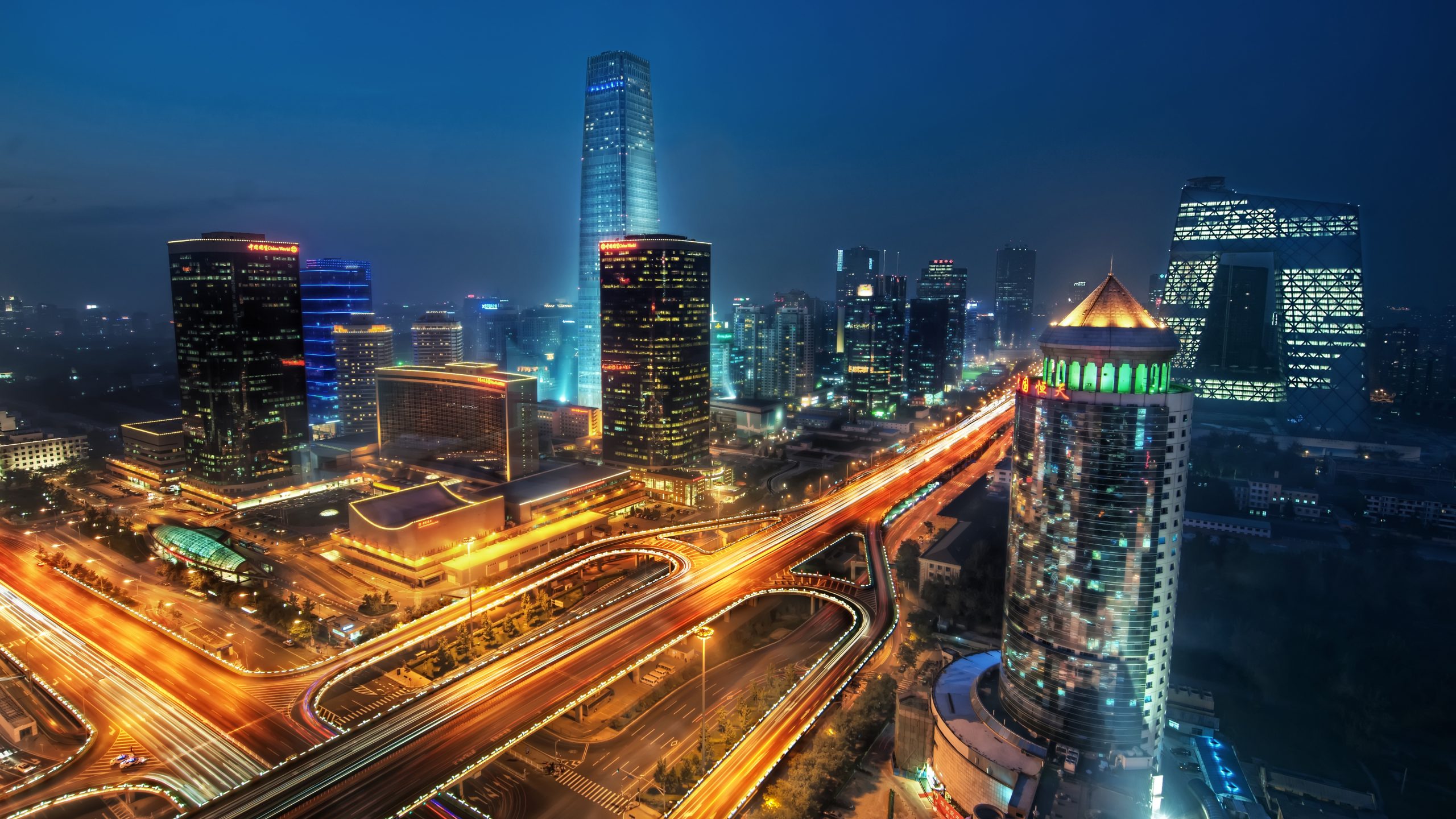
City guide
Why Beijing belongs on a first China trip
Beijing is often the best place to begin understanding China. It is the capital, a major transport hub, and one of the clearest introductions to the country’s imperial history, political center, traditional neighborhoods, museums, and modern urban life. A first visit can include the Forbidden City, Tiananmen area, hutong streets, temple parks, the Summer Palace, and a Great Wall day trip.
The city rewards patience. Beijing is large, dry in winter, hot in summer, and sometimes slower to move through than visitors expect. But with a sensible route, it can be one of the most memorable parts of a China itinerary. Do not try to see everything. Choose a few major places, leave space between them, and let Beijing feel like a city instead of a checklist.
How many days to spend
For most first-time visitors, three to five days is a good starting point. Three days can cover the core highlights if you move efficiently. Four or five days are better if you want a Great Wall trip, a slower hutong day, museums, parks, and time to recover from arrival or jet lag.
If Beijing is your first stop in China, make the first day light. Use it to check in, test your payment setup, learn the metro basics, and take an easy walk near your hotel. Save the most important attractions for the next day, when you are less tired and better oriented.
A simple first-time itinerary
Day 1: Arrival and local orientation. Choose a hotel with good metro access and food nearby. After check-in, take a short walk, confirm your Chinese hotel address, and test your mobile payment method. Avoid scheduling a major attraction on the arrival day.
Day 2: Imperial Beijing. Plan the Forbidden City and nearby historic areas as the focus of the day. Check current ticket and reservation rules before you go. The area can be crowded, so start early and keep the afternoon flexible.
Day 3: Great Wall day trip. A Great Wall visit usually takes most of a day. Mutianyu is popular with international visitors because it is scenic and often easier to manage than some more remote sections. Badaling is also famous and well connected, but it can be very busy. Choose one section and avoid combining it with too many other activities.
Day 4: Hutongs, parks, and slower Beijing. Spend time in traditional neighborhoods, temple parks, or the Summer Palace. This is the day when Beijing often feels most human: morning walkers, local snacks, quiet courtyards, old lanes, and wide city rhythms.
Where to stay
For a first visit, choose convenience over novelty. A hotel near a useful metro line can save a lot of time. Many visitors prefer central areas with access to historic sights, restaurants, and transport. If you are arriving late, choose a hotel that is easy to find and has a clear Chinese address.
Before arrival, save the hotel name, address, and phone number in Chinese. This is useful for taxis, ride-hailing, and asking for help. If your hotel has a map screenshot or Chinese business card, keep it on your phone.
Transport basics
Beijing’s metro is usually the simplest way to move around the city. It is extensive, relatively easy to understand, and avoids road traffic. For short local trips or late-night returns, ride-hailing or taxis may be convenient, but always use the Chinese destination name or a saved map pin.
Beijing has several railway stations and airport connections, so check names carefully. Beijing Railway Station, Beijing West, Beijing South, Beijing North, and Beijing Chaoyang serve different routes. Do not assume that “Beijing station” means the station you need.
Common mistakes
- Trying to combine the Forbidden City and a Great Wall trip on the same day.
- Booking a hotel far from useful metro access.
- Forgetting that many attractions may require advance reservations.
- Underestimating travel time across the city.
- Arriving without Chinese addresses saved for hotels and attractions.
- Planning too many outdoor activities during very hot, cold, or polluted days.
Best fit for travelers who want
Beijing is best for travelers who want history, major landmarks, museums, traditional neighborhoods, and a strong sense of China’s capital identity. It is less ideal for travelers who want a relaxed beach-style holiday or a small-city pace. If your first China trip includes only one historic city, Beijing is usually the strongest choice.
Before you go
Check current attraction reservation rules, Great Wall transport options, hotel location, and metro access before your trip. Beijing’s official English government travel pages can be useful for foreign visitors, especially for updates on visitor services, transport, payment, and local travel support.