Money and payments
How to pay in China as a foreigner.
A practical guide to mobile payments, cards, cash, backups, and first-day payment planning for visitors to China.
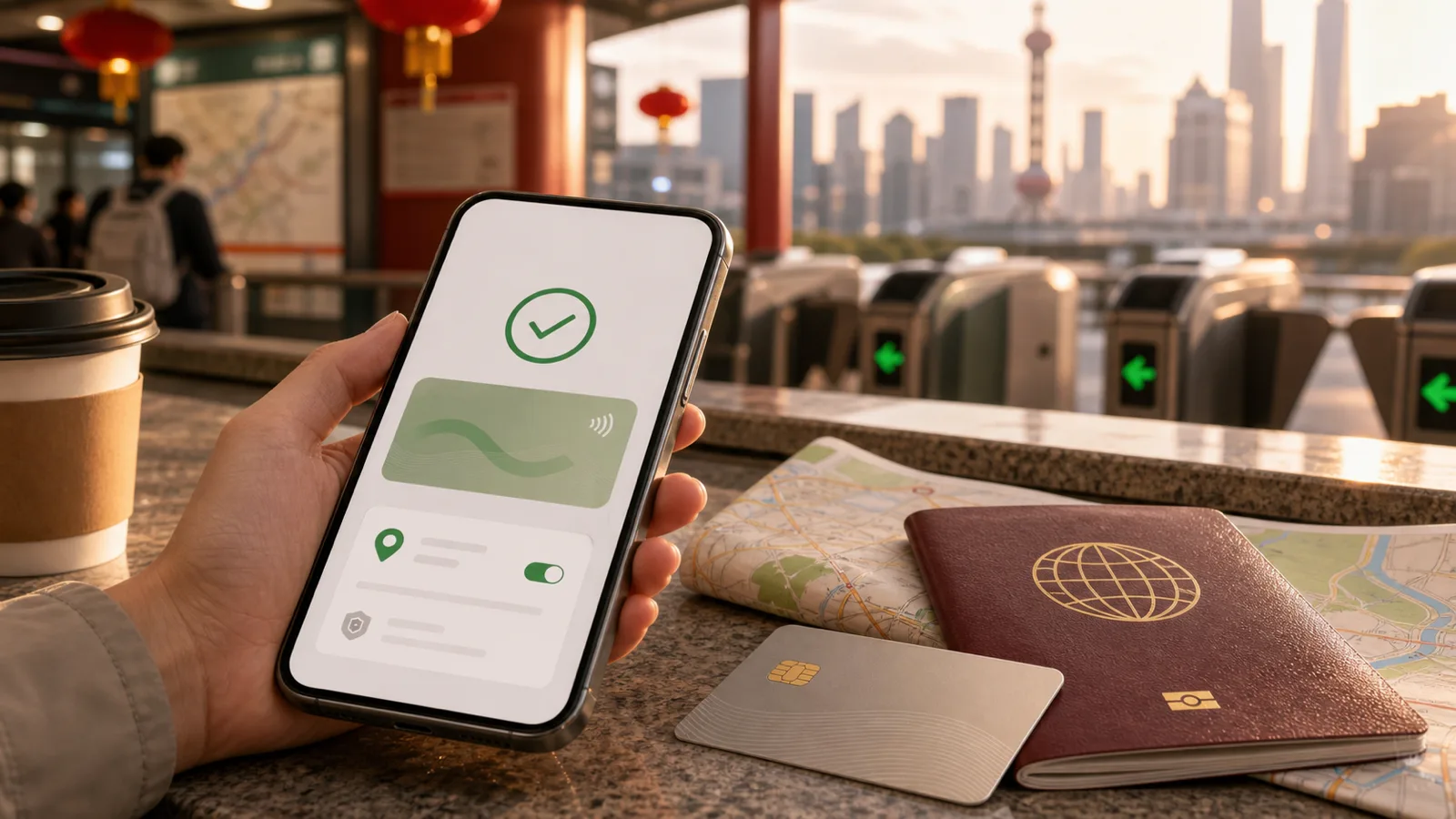
First-time China payment guide
Why payment preparation matters
China is one of the most mobile-payment-oriented travel environments in the world. In many cities, everyday spending is built around QR codes, mobile wallets, and app-based services. Restaurants, coffee shops, taxis, convenience stores, attractions, vending machines, and even small local stalls may expect mobile payment as the easiest option.
This can be surprising for visitors who normally rely on international credit cards. Cards may work at some hotels, larger stores, airports, and international-facing businesses, but they are not enough for smooth daily travel. A first-time visitor should prepare several payment layers before arrival: mobile payment, bank cards, cash, and a backup plan if the phone or card fails.
The short answer
Most foreign visitors should prepare at least one major mobile payment option before traveling to China, bring one or two international bank cards, and carry a small amount of cash for backup. You should also keep your phone charged, save hotel addresses offline, and test your payment setup during the first day before depending on it for a long trip or late-night transport.
Mobile payment apps
Two mobile payment names are especially common in China: Alipay and WeChat Pay. Many foreign visitors use one or both by linking an international card, depending on current app support, card type, verification requirements, and transaction limits. Because app features and eligibility can change, check the official app instructions before departure rather than relying only on old travel forum posts.
When setting up a payment app, use the same name format as your passport and travel bookings. Keep your passport available during setup if identity verification is required. If the app requires phone verification, make sure you can receive messages. It is better to complete setup at home, where you have stable internet and time to solve problems calmly.
Cards: useful, but not enough
International credit and debit cards can still be useful in China. They may work at many international hotels, some chain stores, airports, and travel booking platforms. However, card acceptance is not universal in daily life. A small restaurant, local shop, taxi, or attraction counter may not accept your foreign card directly.
Bring at least one backup card from a different bank if possible. Tell your bank you will be traveling, check foreign transaction fees, and understand your cash withdrawal limits. Keep one card separate from your main wallet so a lost wallet does not remove every payment option at once.
Cash as a backup
Cash can still be helpful, especially during arrival, emergencies, or when a mobile payment fails. Carry a modest amount rather than relying only on cash. Some merchants may not have change ready, and many services are simply easier through mobile payment. Still, cash can solve problems when your phone battery dies, an app refuses a transaction, or a merchant cannot accept a foreign-linked card.
Use ATMs carefully and choose locations that feel secure, such as banks, airports, or large shopping areas. Keep small notes if possible. Do not assume that every place will be comfortable handling large bills for a small purchase.
Your phone is part of your wallet
In China, your phone is not just a communication device. It may be your wallet, map, translator, train ticket reference, hotel address book, and ride-hailing tool. This means battery management is payment management. Bring a power bank, charging cable, and adapter if needed. On long sightseeing days, do not let your phone run down to 5 percent before dinner or transport.
Save key payment-related information offline: hotel addresses, booking confirmations, screenshots of tickets, emergency contacts, and bank phone numbers. If mobile data is slow or your account has a login issue, offline information can still help you reach your hotel or explain your situation.
First-day payment checklist
- Test a small mobile payment purchase after arrival.
- Confirm your backup card is accessible.
- Withdraw or prepare a small amount of cash if needed.
- Save your hotel address in Chinese and English.
- Keep your phone charged before using taxis, ride-hailing, or evening transport.
- Do not wait until a major train day or attraction visit to test payment tools.
Common payment mistakes
- Arriving with only an international credit card.
- Setting up mobile payment for the first time at the airport while tired.
- Using a phone number that cannot receive verification messages abroad.
- Forgetting that some merchants may not accept foreign-linked payment methods.
- Letting the phone battery die during a long travel day.
- Keeping all bank cards and cash in one place.
A realistic backup plan
A good payment setup is not one perfect method. It is a layered plan. Your main mobile payment app handles most daily spending. Your backup card helps with hotels, online bookings, or cash withdrawals. Your small cash reserve covers unusual situations. Your offline hotel address and charged phone help you recover when something goes wrong.
For a first China trip, this layered approach is more important than choosing the “best” single app. Prepare early, test calmly, and keep backups simple.
Official sources to check
Payment support for international visitors can change. Before departure, check current information from official payment app instructions, your card issuer, your bank, and official local travel information pages where available.